Hiring a divorce attorney can feel overwhelming, especially when you want to avoid spending more than necessary. Many people worry about hidden fees, unclear billing, and paying for services they don’t need. If you’re reading this, you probably want to protect your finances while still getting reliable legal help. The good news is, with careful planning and smart choices, you can hire a divorce attorney without overpaying. This guide will show you practical steps, highlight common mistakes, and share insights most beginners miss.
Understanding Divorce Attorney Fees
Before you start searching for an attorney, it’s important to know how fees work. Attorneys usually charge in three main ways:
- Hourly rate – You pay for the time the attorney spends on your case.
- Flat fee – One fixed price for the entire case or a specific service.
- Retainer – An upfront payment, with fees taken from this amount as work is done.
Hourly rates in the US can range from $200 to $500 per hour, depending on experience and location. Flat fees might seem cheaper, but they often cover only simple cases. Retainers can be $2,500–$10,000 or more, and you may need to pay more as your case continues.
Here’s a comparison of common fee structures:
| Fee Type | Typical Range | When Used |
|---|---|---|
| Hourly Rate | $200–$500/hour | Complex or contested cases |
| Flat Fee | $1,000–$3,500 | Simple, uncontested divorces |
| Retainer | $2,500–$10,000+ | All types; acts as deposit |
Many beginners forget to ask about extra costs like court filing fees, document charges, and expert witness fees. These can add up quickly, so always ask for a full estimate.
How To Choose The Right Attorney
Finding the right attorney is not just about price. You want someone with the right experience and a clear billing process.
Step 1: Research Local Attorneys
Start by searching for attorneys who specialize in divorce and family law. Look for reviews from real clients, not just ads. A good attorney will have positive feedback about clear communication and fair billing.
Step 2: Ask The Right Questions
When you meet an attorney, ask:
- What is your experience with cases like mine?
- How do you charge fees?
- Are there any extra costs?
- Can you estimate the total cost for my case?
- How will you keep me updated on billing?
Most beginners only ask about hourly rates, but you should ask about billing increments (for example, do they round up every call to 15 or 30 minutes?). This can make a big difference.
Step 3: Compare Options
It’s smart to meet with at least two or three attorneys. Don’t just compare prices—compare their approach, communication style, and transparency.
Here’s an example comparison:
| Attorney | Hourly Rate | Experience | Client Reviews | Billing Transparency |
|---|---|---|---|---|
| Smith & Jones | $350 | 20 years, family law | 4.8/5 | Very clear |
| Family Law Group | $275 | 10 years, divorce | 4.5/5 | Moderately clear |
| Legal Solutions | $200 | 5 years, general law | 3.9/5 | Less clear |
Tips To Avoid Overpaying
1. Know Your Case Type
If your divorce is uncontested (both sides agree), you may not need a high-priced attorney. Many lawyers offer cheaper flat rates for simple cases. If your divorce is contested, costs will be higher, but you can still control them.
2. Request A Written Fee Agreement
Always ask for a written fee agreement before you hire. This document should explain all charges, billing rules, and what happens if your case becomes more complex.
3. Limit Attorney Time
Use your attorney’s time wisely. Prepare questions before meetings, and avoid unnecessary calls or emails. Many attorneys bill in 15-minute increments—even a short call can cost you.
4. Handle Simple Tasks Yourself
Ask your attorney what tasks you can do yourself. For example, gathering documents or filling out forms. This reduces billable hours and saves money.
5. Ask About Payment Plans
Some attorneys offer payment plans so you don’t pay everything upfront. This can help your cash flow. If you’re worried about costs, ask about flexible payment options.
6. Negotiate Fees
Don’t be afraid to negotiate. Ask if the attorney can lower their hourly rate, offer a flat fee, or reduce the retainer. Many lawyers are open to reasonable requests, especially if your case is straightforward.
7. Check For Free Consultations
Many attorneys offer a free first consultation. Use this to understand your options and get an estimate. Beware of lawyers who charge high fees for consultations—this may signal higher costs later.
8. Watch For Hidden Costs
Ask about all possible extra charges. For example, court filing fees, document copying, postage, and expert witness costs. Get these in writing.
9. Use Mediation When Possible
If you and your spouse can agree, mediation is often cheaper than court. Some attorneys offer mediation services or can recommend a mediator. Mediation costs can be 60–80% lower than full legal representation.
10. Monitor Billing
Request regular billing statements. Review them carefully and ask about any unclear charges. If you see unexpected fees, discuss them immediately.
Common Mistakes That Lead To Overpaying
Many people make costly mistakes when hiring a divorce attorney. Here are some to avoid:
- Not getting a written agreement – Without a contract, you may face surprise charges.
- Hiring based only on reputation – Famous attorneys often charge more, but you may not need their level of expertise.
- Ignoring billing details – Not asking about billing increments or extra fees can lead to higher bills.
- Letting emotions drive decisions – Emotional decisions often lead to spending more than necessary.
- Failing to compare attorneys – Comparing only one option increases your chances of overpaying.
- Choosing a generalist – Attorneys who don’t focus on divorce may take longer, costing more.

Credit: rdklegal.com
How To Spot Fair Billing Practices
A good attorney is open about fees and billing. Look for these signs:
- Clear written fee agreement
- Billing statements sent regularly
- Charges explained in detail
- No pressure to pay upfront for everything
- Willingness to answer questions about costs
If an attorney is vague about fees or avoids giving estimates, this is a red flag.
What Really Matters When Choosing
When hiring a divorce attorney, focus on these:
- Experience in divorce cases
- Transparent billing process
- Good communication
- Written fee agreement
- Flexibility for payment
Don’t be swayed by fancy offices or high-profile names. You need someone who understands your needs and respects your budget.
Real-life Example: Saving Money On Attorney Fees
Anna, from Texas, faced a simple, uncontested divorce. She found three attorneys:
- Attorney A: $3,500 flat fee
- Attorney B: $275/hour, minimum 10 hours
- Attorney C: $1,800 flat fee
Anna asked for written agreements and compared reviews. She chose Attorney C, paid $1,800, and handled simple paperwork herself. Her total cost: $2,000, including court fees. If she had chosen Attorney B, she would have paid at least $2,750, plus possible extra hours.
This example shows the importance of comparing options and handling tasks yourself.
Quick Cost Comparison: Attorney Vs Mediation
Many people don’t realize how much cheaper mediation can be. Here’s a quick comparison:
| Service | Average Cost | Time Needed | Best For |
|---|---|---|---|
| Attorney (contested) | $10,000–$20,000 | 6–12 months | Complex cases |
| Attorney (uncontested) | $1,500–$3,500 | 1–3 months | Straightforward cases |
| Mediation | $500–$2,000 | 1–2 months | Agreement possible |
If you’re able to reach an agreement, mediation can save thousands.
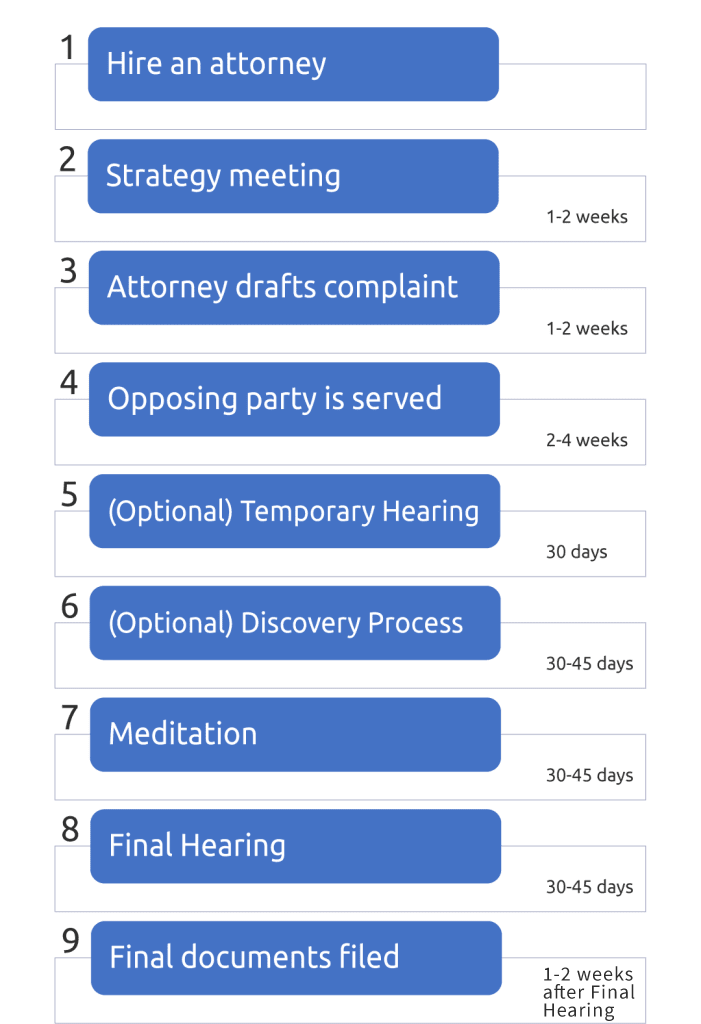
Credit: atlantadivorcelawgroup.com
Non-obvious Insights Most Beginners Miss
- Billing increments matter a lot. If an attorney bills in 30-minute chunks, a 10-minute call costs half an hour. Always ask about this detail.
- Some attorneys outsource paperwork to paralegals or assistants. This can reduce costs if billed at a lower rate, but increases costs if billed at the attorney’s rate. Ask who will handle your paperwork.
When To Consider Other Options
If your divorce is simple, you may not need an attorney at all. Many states offer self-help legal clinics or online forms. This can be the cheapest option, though you should still review legal documents carefully.
You can find official state resources and forms through sites like California Courts (for California residents). Always use official sites for accurate information.

Credit: www.fairellfirm.com
Frequently Asked Questions
What Is A Retainer And How Does It Work?
A retainer is an upfront payment to your attorney. They deduct fees from this amount as they work on your case. If your retainer runs out, you may need to add more money. It’s not a flat fee—costs can go higher if your case becomes complex.
Can I Negotiate Attorney Fees?
Yes, you can often negotiate fees. Ask about lower hourly rates, flat fees, or payment plans. Attorneys may be flexible, especially for simple cases or if you’re willing to do some paperwork yourself.
What Should I Look For In A Written Fee Agreement?
A written fee agreement should explain all costs, billing rules, payment terms, and what happens if your case changes. It should include hourly rates, retainer amounts, and any extra fees.
How Can I Reduce The Total Cost Of My Divorce?
You can lower costs by choosing an uncontested divorce, using mediation, handling paperwork yourself, and limiting attorney time. Always ask about possible extra fees and compare options before hiring.
What Happens If I Can’t Afford A Divorce Attorney?
If you can’t afford an attorney, look for legal aid or self-help clinics. Some states offer free resources and forms. You can also ask attorneys about payment plans or sliding scale fees.
Hiring a divorce attorney doesn’t have to break the bank. With careful research, clear questions, and smart planning, you can get the legal help you need without overpaying. Remember to focus on transparent billing, compare options, and handle simple tasks yourself. Protect your finances and your peace of mind by making informed decisions every step of the way.
Read More:
- Best Immigration Lawyers for Green Card Applications in 2026
- Best Mesothelioma Law Firms Winning Million-Dollar Settlements Reviewed
- How Much Does a Medical Malpractice Lawyer Cost in the USA?
- Top Estate Planning Attorneys for High-Net-Worth Families: 2024 Guide
- Best Child Custody Attorneys Near Me in the USA: Top Picks
- What Does a Business Litigation Lawyer Do for Small Companies? Explained
- How to Choose the Best Bankruptcy Lawyer in Texas: Expert Tips
- Top Criminal Defense Attorneys for DUI Cases in California: 2024 Guide